The balanced plate, without the math
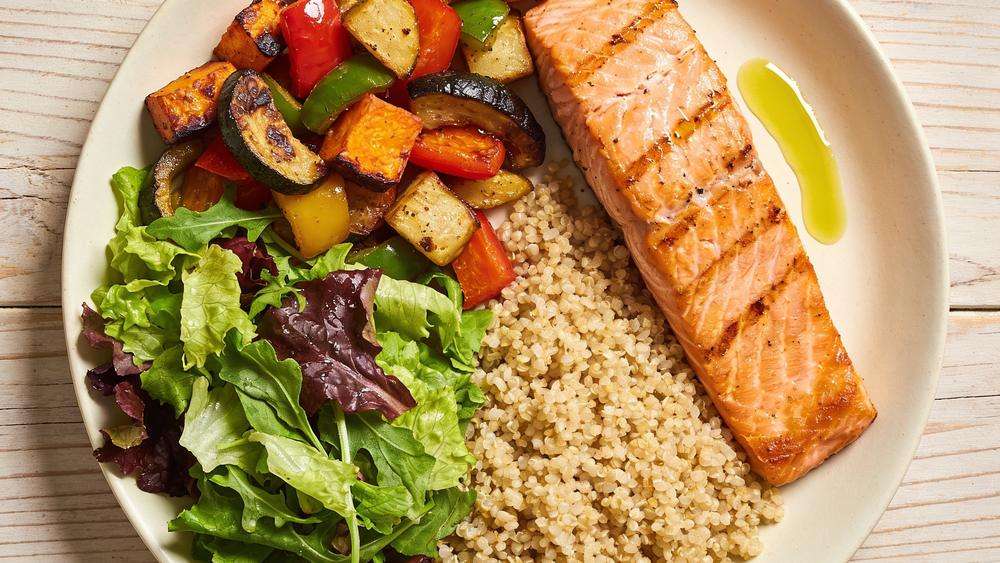
If counting macros makes your eyes glaze over, good news: you never have to. There is a way to build a genuinely balanced meal that takes zero math, no app, and about three seconds of thought. I teach it to almost every patient, because it is the one framework people actually remember at 7pm on a Tuesday.
The formula
Picture your plate in sections. Fill half with vegetables and fruit. Fill one quarter with a protein like chicken, fish, eggs, tofu, or beans. Fill the last quarter with a quality carbohydrate like brown rice, quinoa, potatoes, or whole-grain bread. Then add a thumb-sized amount of healthy fat, think olive oil, avocado, nuts, or seeds. That is the entire system.
Why it works
Without tracking a single number, this plate naturally lands you in a good place. The vegetables bring fiber and volume so you feel full. The protein keeps you satisfied for hours and protects your muscle. The carbs give you steady energy. The fat makes it taste good and helps you absorb certain vitamins. Balance, built in.
It also quietly fixes the most common problem I see, which is not too much of any one thing but too little produce and too little protein. Get those two right and the rest tends to sort itself out.
Make it flexible
This is a guide, not a rulebook. Hungrier after a long day or a hard workout? Keep the same proportions and just make the whole plate bigger. Building breakfast? Same idea: fruit and maybe spinach, eggs or Greek yogurt for protein, oats or whole-grain toast for carbs, a little nut butter for fat.
Master this one visual and you have covered about 90 percent of what nutrition science would tell you to do, without ever opening a calculator.
Want this tailored to you?
Grab my free Bean Bible, get a fresh recipe each week, or work with me one on one.
Free Bean Bible Work with me