Which supplements are actually worth your money?
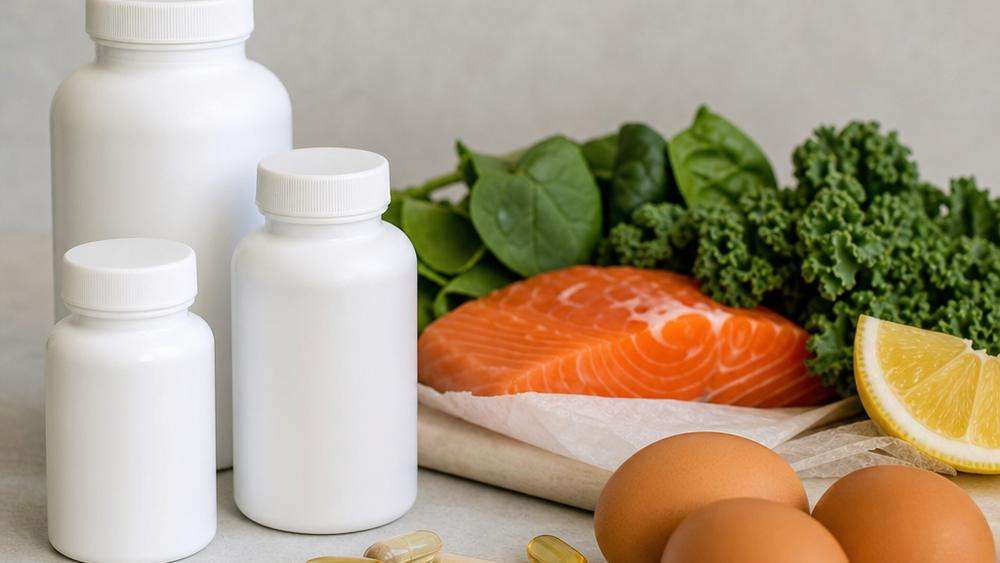
Walk into any supplement store and you are looking at a multi-billion-dollar industry built largely on hope. The uncomfortable truth is that for most people eating a reasonably varied diet, the majority of those bottles produce little more than expensive urine. Your body takes the small amount it needs and flushes the rest. But a short list of supplements does have real evidence behind it, and knowing which is which can save you a small fortune.
The short list worth considering
Vitamin D is the standout, because so many of us get too little sun, especially in winter or if we spend our days indoors. Omega-3s are worth it if you rarely eat fatty fish, since they support heart and brain health. Vitamin B12 is essential if you eat little or no animal food, because it is genuinely hard to get elsewhere. And specific groups have specific needs, like folate in pregnancy or iron for people who are truly deficient. For most people, that is close to the whole list.
Notice what is not on it: the fat-burners, the greens powders that cost more than actual greens, and the alphabet soup of trendy compounds backed by a single promising mouse study. Impressive marketing is not the same thing as impressive evidence.
Test, do not guess
The smartest move is to stop guessing. A simple blood panel can tell you whether you are actually low in vitamin D, B12, iron, or other common nutrients. Supplementing to correct a confirmed deficiency is powerful medicine. Supplementing to treat a problem you do not have is just a costly habit, and in a few cases, like too much of certain fat-soluble vitamins, it can even do harm.
Food first, always
Whole foods deliver nutrients in packages we are still not clever enough to fully replicate in a pill: fiber, phytonutrients, and hundreds of compounds working together. Supplements are meant to fill genuine gaps, not to replace a plate of real food. Spend your money on groceries first. Then, if a test shows you are short on something specific, supplement with intention.
Want this tailored to you?
Grab my free Bean Bible, get a fresh recipe each week, or work with me one on one.
Free Bean Bible Work with me